

Kaynak : Ürfet Naçar
Raporların Söylemediğini Mağaza Söyler
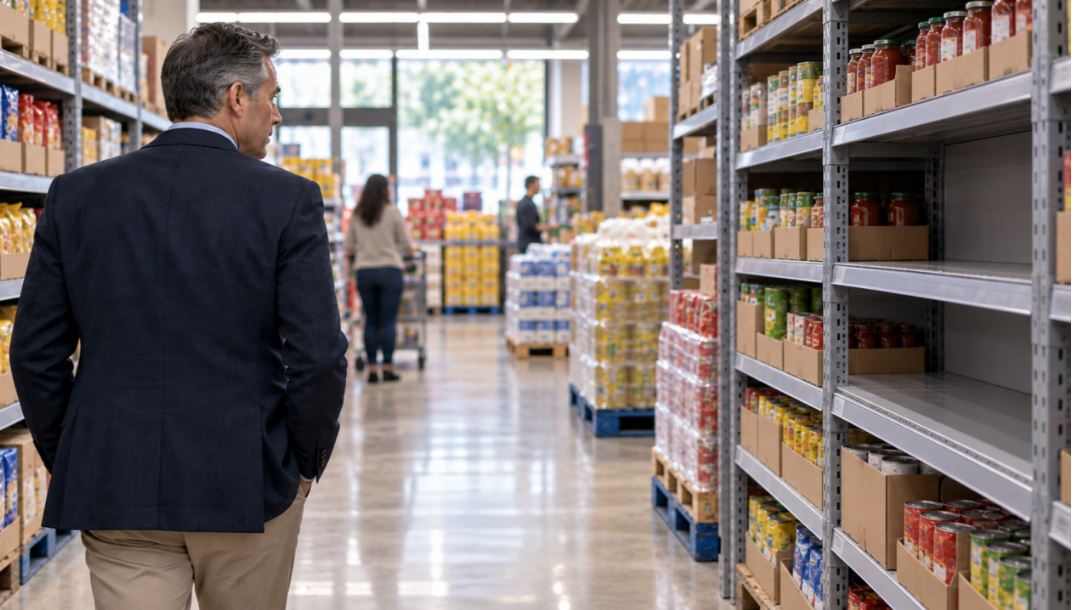
Bir mağazaya girdiğimde önce raporları değil, müşterinin karşılaştığı gerçeği görmeye çalışırım.
Mağazanın önünden başlayıp arka alanına kadar ilerlediğimde, ilk beş-on dakika içinde işleyiş hakkında birçok önemli işaret görmek mümkündür.
Mağaza temiz mi?
Raflar dolu mu?
Temel ürünler gerçekten mevcut mu?
Fiyat etiketleri doğru mu?
Paletler düzenli mi?
Kasada kuyruk oluşmuş mu?
Personel doğru yerde mi?
Mağaza müdürü sahaya hâkim mi?
Bunların hiçbiri küçük ayrıntılar değildir. Her biri mağazanın arkasındaki yönetim sisteminin sahaya yansımasıdır.
RAPORLAR DÜZENLİ OLABİLİR, MAĞAZA DÜZENLİ OLMAYABİLİR
Uzun yıllara dayanan yöneticilik hayatım boyunca, her ay farklı günlerde ve farklı saatlerde yaklaşık 15–20 mağazayı ziyaret etmeye çalıştım.
Bu ziyaretlerin önemli bir bölümünü önceden haber vermeden ve mümkün olduğunca müşteri gözüyle yaptım. Çünkü mağaza ziyaret için özel olarak hazırlanmışsa, yöneticinin gördüğü tablo ile müşterinin her gün karşılaştığı gerçek aynı olmayabilir.
Merkezde yapılan toplantılarda birçok konu raporlar, tablolar ve sunumlar üzerinden değerlendirilir. Ancak alınan kararların sahada gerçekten uygulanıp uygulanmadığını görmek için mağazaya gitmek gerekir.
Örneğin:
• Müşteri poşetinin bulunmadığını mağazaya gidince görürsünüz.
• Sistemde stokta görünen ürünün aslında rafta olmadığını mağazaya gidince anlarsınız.
• Taze ürünlerin düzenli ve zamanında sevk edilip edilmediğini mağazada görürsünüz.
• Yoğun saatlerdeki kasa kuyrukları, personel planlamasının doğru olup olmadığını gösterir.
• Depodan yapılan sevkiyatların eksiksiz ve zamanında ulaşıp ulaşmadığını mağazada anlarsınız.
• Gelen ürünlerin zamanında rafa çıkarılıp çıkarılmadığını raflara ve arka alana bakarak görürsünüz.
• Mimari veya teknik bir problemin gerçek nedenini, çoğu zaman problemi yerinde inceleyerek bulursunuz.
• Bölge ve satış yöneticilerinin mağazada etkili bir yönetim ve organizasyon kurup kurmadığını yine sahada görürsünüz.
Rapor sonucu gösterir. Mağaza ise o sonucun nedenini anlatır.
BEŞ DAKİKADA GÖRÜLENLER
Tecrübeli bir yönetici mağazaya yalnızca bakmaz; mağazayı okumaya çalışır.
Giriş alanındaki düzensizlik gün içindeki yönetim disiplinini, boş raf sipariş veya sevkiyat problemini, arka alandaki ürünler raf doldurma hızını, kasa kuyruğu vardiya planlamasını, personelin davranışı ise mağaza yönetiminin kalitesini gösterebilir.
Bazen sistem ürünün stokta olduğunu söyler, fakat raf boştur.
Bu durumda birkaç ihtimal vardır: Ürün mağazaya gelmemiş olabilir, arka alanda bekliyor olabilir, yanlış stok kaydı oluşmuş olabilir veya personel ürünü zamanında rafa çıkaramamış olabilir.
Merkezde yalnızca stok rakamına baktığınızda ürün var görünür. Müşteri açısından ise ürün yoktur.
Perakendede müşterinin gerçeği, sistemde görünen sayıdan daha güçlüdür.
UNUTULMAYAN BİR TAVUK HİKÂYESİ
Sezonluk yoğunluğu yüksek olan bir bölgede, yaz aylarındaki hafta sonlarımın önemli bir bölümünü mağaza ziyaretleriyle geçirirdim.
Yine böyle bir ziyarette, bölge müşterisinin yoğun olarak talep ettiği tavuk ürünlerinin mağazada bulunmadığını gördüm.
Satış müdürünü aradım.
Kısa bir hâl hatır konuşmasından sonra ne yaptığını sordum. Ailesiyle birlikte pikniğe gittiğini ve tavuk ızgara yaptığını söyledi.
Ben de kendisini kırmadan şu cevabı verdim:
“Keşke bu mağazada da tavuk ürünlerinin tamamı olsaydı; müşterilerimiz de alıp aileleriyle birlikte ızgara yapabilseydi.”
Bu cümle yalnızca eksik bir ürünü anlatmıyordu. Müşterinin beklentisini, satış fırsatını ve yöneticinin sahaya karşı sorumluluğunu aynı anda ifade ediyordu.
O arkadaşımız bu mesajı hiç unutmadı. Bugün kendisi başarılı bir üst düzey yönetici olarak çalışma hayatına devam ediyor.
İyi yöneticilik her zaman yüksek sesle konuşmak değildir. Bazen kırmadan söylenen tek bir cümle, uzun bir toplantıdan daha öğretici olabilir.
SAHAYA GİTMEK YALNIZCA PROBLEM BULMAK DEĞİLDİR
Mağaza ziyaretinin amacı hata aramak veya çalışanları eleştirmek değildir.
Asıl amaç problemi yerinde görmek, kaynağını anlamak, çözüm üretmek ve aynı problemin yeniden yaşanmasını önleyecek sistemi kurmaktır.
Örneğin depoda sevk edilmiş görünen bir siparişin mağazaya gerçekte ulaşmadığını gördüğümüzde, depo yöneticisiyle iletişim kurar ve ürünün hızla mağazaya ulaşmasını sağlardık.
Ancak işimiz yalnızca o günkü eksik ürünü tamamlamakla bitmezdi.
Şu soruların da cevabını arardık:
• Sipariş doğru zamanda verildi mi?
• Ürün depoda hazırlandı mı?
• Araç zamanında çıktı mı?
• Mağazada mal kabul doğru yapıldı mı?
• Ürün arka alanda mı bekliyor?
• Aynı problem başka mağazalarda da yaşanıyor mu?
Bir problemi çözmek önemlidir. Fakat kalıcı yöneticilik, problemin tekrarını engelleyen sistemi kurmaktır.
SAHA YÖNETİMİNİN TEMEL İLKELERİ
Benim için etkili bir mağaza ziyaretinin beş temel ilkesi vardır:
1. Müşteri gibi bakmak
Mağazayı yöneticinin görmek istediği şekilde değil, müşterinin karşılaştığı haliyle değerlendirmek gerekir.
2. Karar vermeden önce kaynağı anlamak
Boş raf her zaman sipariş hatası değildir. Problem satın almada, depoda, sevkiyatta, mal kabulde veya raf doldurmada olabilir.
3. Problemi mümkünse yerinde çözmek
Sahada görülen açık bir problemin haftalarca raporlarda dolaşmasına izin verilmemelidir.
4. Kişiyi değil, sistemi geliştirmek
Amaç suçlu bulmak değil, benzer problemin yeniden oluşmasını engelleyecek düzeni kurmaktır.
5. Sonucu takip etmek
Verilen talimatın uygulanıp uygulanmadığı kontrol edilmezse, problem çözülmüş sayılmaz.
Bu yaklaşım mağaza ziyaretini basit bir denetim olmaktan çıkarır ve gerçek bir yönetim aracına dönüştürür.
FİLDİŞİ KULEDEN MAĞAZA YÖNETİLMEZ
Dieter Brandes ve Nils Brandes’in Bare Essentials kitabında öne çıkan temel düşüncelerden biri; başarının karmaşık sistemlerden çok sadelik, disiplin, sorumluluk ve uygulama tutarlılığıyla oluşturulmasıdır.
Bu yaklaşımın sahadaki karşılığı açıktır: Yönetici yalnızca merkezde hazırlanan raporlarla yetinmemeli, operasyonun gerçek hayatla buluştuğu noktaya gitmelidir.
Çünkü perakendede gerçek hayat mağazadadır.
Müşteri raporu görmez.
Organizasyon şemasını bilmez.
Depo sisteminizi incelemez.
Müşteri yalnızca aradığı ürünün rafta olup olmadığına, fiyatın doğru yazılıp yazılmadığına, mağazanın temizliğine ve kasada ne kadar beklediğine bakar.
Şirketin bütün stratejisi, müşteri açısından birkaç dakikalık mağaza deneyimine dönüşür.
SONUÇ: MAĞAZA YALAN SÖYLEMEZ
Mağazaya gitmeyen yönetici rakamları yönetir; mağazaya giden yönetici, o rakamları oluşturan gerçeği yönetir.
Rapor satışın düştüğünü söyler; mağaza neden düştüğünü gösterir.
Sistem ürünün stokta olduğunu söyler; boş raf müşterinin gerçeğini gösterir.
Personel tablosu kadroyu gösterir; kasa kuyruğu planlamanın doğruluğunu gösterir.
Bu nedenle mağaza ziyareti yalnızca operasyonel bir kontrol değildir. Aynı zamanda yönetim kararlarının, organizasyon yapısının, lojistik sisteminin ve müşteri yaklaşımının gerçek hayattaki testidir.
Uzun yıllara dayanan tecrübem bana şunu öğretti:
Mağaza yalan söylemez. Biz yalnızca mağazadan uzak kaldığımızda gerçeği geç duyarız.
Kaynak notu: Dieter Brandes ve Nils Brandes, “Bare Essentials: The ALDI Way to Retail Success”. Kitap; ALDI sisteminin sadelik, disiplin, tutarlılık ve yönetim anlayışını ele almaktadır.
━━━━━━━━━━━━━━━━━━━━━━━━━━━━
WHAT CAN I UNDERSTAND IN THE FIRST FIVE MINUTES AFTER ENTERING A STORE?
The Store Tells You What Reports Cannot
DISCOUNT RETAIL SERIES – 4
When I enter a store, I first try to see the reality faced by the customer, not the reports prepared for management.
By walking from the entrance to the back area, it is possible to understand many important things about the operation within the first five or ten minutes.
Is the store clean?
Are the shelves full?
Are the main products really available?
Are the price labels correct?
Are the pallets organised?
Are there long checkout queues?
Are employees working in the right places?
Is the store manager in control of the operation?
These are not small details. Each one shows how the management system works in the store.
REPORTS MAY LOOK GOOD WHILE THE STORE DOES NOT
Throughout my many years in management, I tried to visit approximately 15–20 stores every month, on different days and at different times.
Many of these visits were unannounced. I also tried to look at the store through the eyes of a customer. If a store is specially prepared for a management visit, what the manager sees may not be the same as what the customer experiences every day.
At head office, we discuss many subjects through reports, tables and presentations. But to understand whether our decisions are really being applied, we must visit the store.
For example:
• You see that customer shopping bags are unavailable only when you visit the store.
• The system may show that a product is in stock, but you see the empty shelf in the store.
• You understand whether fresh products are being delivered regularly and on time.
• Checkout queues during busy hours show whether staff planning is correct.
• You see whether warehouse deliveries arrive completely and on time.
• You understand whether delivered products are moved to the shelves quickly.
• You can identify the real cause of an architectural or technical problem by examining it on site.
• You can see whether regional and sales managers have built an effective organisation in the store.
The report shows the result. The store explains the reason behind it.
WHAT THE FIRST FIVE MINUTES SHOW
An experienced manager does not only look at a store. The manager tries to read it.
A disorganised entrance can show a lack of daily discipline. An empty shelf can show an ordering or delivery problem. Products waiting in the back area can show slow shelf replenishment. A checkout queue can show poor shift planning. Employee behaviour can show the quality of store management.
Sometimes the system says that a product is in stock, but the shelf is empty.
There may be several reasons. The product may not have arrived, it may still be in the back area, the stock record may be wrong or the employees may not have moved it to the shelf on time.
At head office, the stock number says that the product is available. For the customer, however, the product does not exist.
In retail, the customer’s reality is more powerful than the number shown in the system.
AN UNFORGETTABLE CHICKEN STORY
In an area with very high seasonal demand, I spent many summer weekends visiting stores.
During one of these visits, I saw that the chicken products strongly demanded by customers in that area were unavailable.
I called the sales manager.
After a short conversation, I asked what he was doing. He told me that he was going on a picnic with his family and that they were having grilled chicken.
Without upsetting him, I replied:
“I wish all the chicken products were available in this store so that our customers could also buy them and enjoy a barbecue with their families.”
This sentence was not only about a missing product. It explained the customer’s expectation, a lost sales opportunity and the manager’s responsibility to the field.
He never forgot that message. Today, he continues his career successfully as a senior executive.
Good management does not always require speaking loudly. Sometimes one respectful sentence can teach more than a long meeting.
VISITING THE FIELD IS NOT ONLY ABOUT FINDING PROBLEMS
The purpose of a store visit is not to search for mistakes or criticise employees.
The real purpose is to see the problem, understand its source, find a solution and build a system that prevents it from happening again.
For example, when we saw that an order shown as dispatched from the warehouse had not actually reached the store, we contacted the warehouse manager and made sure the products were delivered quickly.
However, our work did not end after solving that day’s shortage.
We also asked:
• Was the order placed on time?
• Was the product prepared in the warehouse?
• Did the vehicle leave on time?
• Was goods receiving completed correctly?
• Was the product waiting in the back area?
• Was the same problem happening in other stores?
Solving one problem is important. Permanent management means building a system that prevents the problem from returning.
THE MAIN PRINCIPLES OF FIELD MANAGEMENT
For me, an effective store visit has five main principles:
1. Look through the eyes of the customer
The store should be evaluated as the customer experiences it, not as management would like to see it.
2. Understand the source before making a decision
An empty shelf is not always caused by an ordering mistake. The problem may be in purchasing, warehousing, transport, goods receiving or shelf replenishment.
3. Solve the problem on site whenever possible
A clear problem found in the field should not continue moving between reports for weeks.
4. Improve the system, not blame the person
The aim is not to find someone to blame. It is to prevent the same problem from happening again.
5. Follow up on the result
If we do not check whether a decision has been implemented, the problem cannot be considered solved.
These principles turn a store visit from a simple inspection into an effective management tool.
A STORE CANNOT BE MANAGED FROM AN IVORY TOWER
One of the main ideas presented by Dieter Brandes and Nils Brandes in Bare Essentials is that success is built through simplicity, discipline, responsibility and consistent execution—not through complex systems.
The practical meaning is clear: managers should not depend only on reports prepared at head office. They must visit the point where plans and decisions meet real life.
In retail, real life is in the store.
The customer does not see your reports.
The customer does not know your organisation chart.
The customer does not examine your warehouse system.
The customer only sees whether the product is available, whether the price is correct, whether the store is clean and how long the checkout takes.
From the customer’s point of view, the company’s entire strategy becomes a store experience lasting only a few minutes.
CONCLUSION: THE STORE DOES NOT LIE
A manager who does not visit stores manages numbers; a manager who visits stores manages the reality behind those numbers.
A report tells you that sales have fallen; the store shows you why.
The system says that the product is in stock; the empty shelf shows the customer’s reality.
The staff plan shows the number of employees; the checkout queue shows whether the planning is right.
A store visit is therefore not only an operational inspection. It is a real-life test of management decisions, organisational structure, logistics and customer focus.
My many years of experience have taught me one clear lesson:
The store does not lie. We only hear the truth too late when we stay away from it.
Source note: Dieter Brandes and Nils Brandes, “Bare Essentials: The ALDI Way to Retail Success”. The book examines the simplicity, discipline, consistency and management principles behind the ALDI system.


